Most people don’t give their old car a second thought once the tow truck pulls away. But that vehicle doesn’t just vanish. It enters a structured process that strips it down, recovers what’s useful, and recycles what’s left. Australia’s metal recovery rate sits at around 90%, making metals the most successfully recycled material in the country. Cars are a big part of that number.
Here’s what actually happens, stage by stage, after your car is collected through a free car removal in Sydney service.
Step 1: De-Pollution
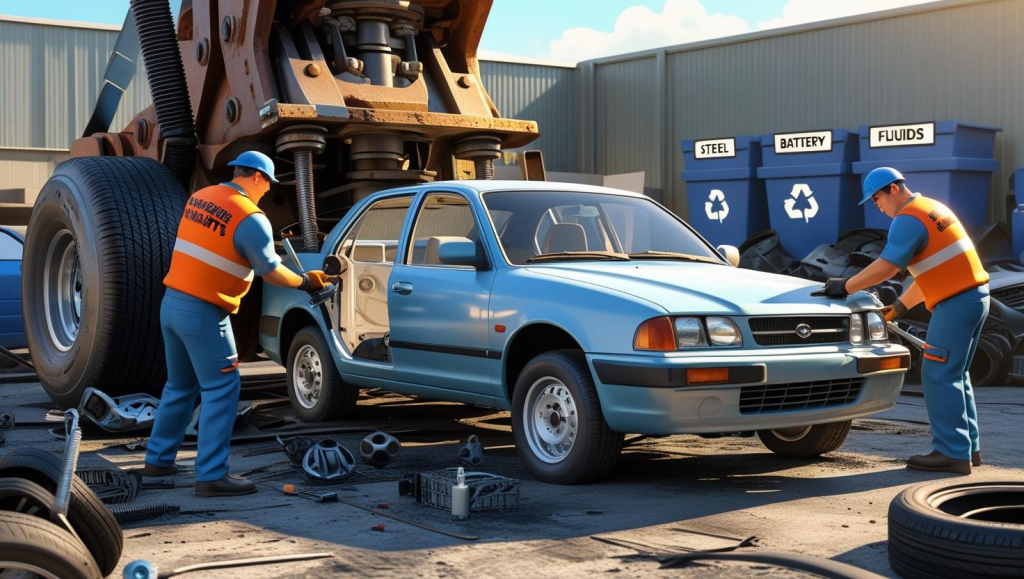
Before anything gets pulled apart, every hazardous fluid comes out. Engine oil, coolant, brake fluid, transmission fluid, fuel, and refrigerant are drained into separate containers and sent for reprocessing or disposal through licensed facilities. Left untreated, these chemicals leach into soil and waterways. Responsible recyclers treat de-pollution as non-negotiable.
Step 2: Dismantling and Parts Salvage
Once the car is clean of fluids, technicians strip it piece by piece. Anything still working gets pulled, tested, and shelved for resale:
- Engines and transmissions
- Alternators, starters, and compressors
- Doors, bonnets, bumpers, and body panels
- Headlights, tail lights, and mirrors
- Seats, dashboards, and interior trim
- Batteries, wheels, and tyres
These second-hand parts keep older vehicles on the road cheaply. If you’re curious about how scrap value is calculated, the availability of salvageable parts is a major factor.
Step 3: Hazardous Material Removal
After usable parts are out, anything dangerous gets special treatment. Airbags are deployed or safely disposed of. Mercury switches, lead wheel weights, and catalytic converters are handled separately. Lead-acid batteries go to specialist processors where the lead is almost entirely recoverable.
Step 4: Crushing and Shredding
What’s left after dismantling is mostly the steel shell. It gets fed into an industrial crusher, then a shredder that reduces it to fist-sized chunks in seconds. Magnets pull out the ferrous metals (steel and iron), while eddy current separators recover non-ferrous metals like aluminium and copper. The leftover material, called automotive shredder residue or “fluff”, includes plastics, rubber, fabric, and glass.
| Material | % of Vehicle by Weight | What Happens to It |
| Steel and iron | ~65% | Melted and reused in new steel products |
| Aluminium | ~8-10% | Recycled into new castings and components |
| Copper and other metals | ~2-3% | Recovered and sold to smelters |
| Plastics, rubber, glass | ~20% | Partially recycled; remainder sent to regulated landfill |
Recycled steel from cars retains its strength no matter how many times it’s reprocessed. About 25% of the steel in a brand-new car comes from recycled sources, closing the loop on what started as someone’s old vehicle.
Step 5: The Paperwork Side
Recycling isn’t just physical. In NSW, the registered owner must lodge a Notice of Disposal or cancel registration through Service NSW. Failing to do this leaves you liable for fines, tolls, or infringements after the car leaves. Our guide on legal steps for cancelling rego covers the full process. If you want a complete pre-pickup checklist, we’ve put one together with 21 steps to follow before the tow truck arrives.
How We Can Help
At Fast Car Removal Sydney, we buy and remove vehicles in any condition across the entire Sydney metro area. Whether your car is old, damaged, unregistered, or written off, we’ll give you a fair price and handle the collection for free. Our process is simple: share your car’s details through our online quote form or call us, accept the offer, and we’ll arrange free car removal in Sydney with same-day pickup where possible. We pay cash at collection and take care of all paperwork. Every vehicle we collect is processed through eco-friendly recycling channels, so you know your old car is being handled responsibly. Call us on +61 289 741 445 to get started.
Frequently Asked Questions
How much of a car can actually be recycled?
Around 80% to 85% of a typical passenger car is recoverable. Metals make up the bulk of that figure. The remaining 15% to 20%, mostly mixed plastics and textiles, still ends up in landfill, though recycling technology for those materials is improving.
Do I get paid for a car that’s only going to be scrapped?
Yes. Even a completely non-running vehicle has value in its metal weight and any salvageable parts. Heavier cars with more steel generally attract better offers. Learn more about maximising your payout from scrap car buyers.
Is car recycling actually regulated in Australia?
It is. The NSW Environment Protection Authority oversees waste disposal, and recyclers must comply with strict rules on fluid handling, hazardous materials, and landfill diversion. Licensed operators follow these standards as part of their operating conditions.
What happens to the car’s fluids?
They’re drained during de-pollution. Oil and coolant are typically sent for reprocessing. Fuel is recovered where possible. Brake fluid and refrigerant go to specialist disposal. None of it should ever reach the ground.
Can I watch the process or visit the recycling yard?
Policies vary by operator. Many yards restrict public access for safety and insurance reasons. If transparency matters to you, choose a car disposal service that explains its recycling process upfront.