Introduction & Background
The automotive industry stands at the precipice of a technological revolution, one that promises to redefine mobility, sustainability, and connectivity. Over the past decade, we have witnessed rapid advancements in automotive technology, driven by consumer demand for smarter, safer, and more efficient vehicles. The push towards innovation is not just about enhancing driving experiences but also about addressing global challenges such as climate change and urban congestion. Governments, manufacturers, and tech companies are collaborating like never before to accelerate the development of cutting-edge automotive solutions. From electric vehicles (EVs) to autonomous driving systems, the future of the automotive world is being shaped today, and it is both exciting and transformative.
Concept & Overview
The future of automotive technology revolves around integrating digital innovation with mechanical engineering to create vehicles that are not only modes of transportation but also intelligent, connected ecosystems. At its core, this evolution focuses on three main pillars: electrification, autonomy, and connectivity. Electrification replaces traditional internal combustion engines with electric powertrains, reducing emissions and dependence on fossil fuels. Autonomy leverages artificial intelligence and sensor technology to enable vehicles to operate without human intervention. Connectivity, on the other hand, ensures that vehicles communicate with each other and with infrastructure, enabling real-time data exchange and smarter traffic management. Together, these pillars are driving the automotive industry toward a new era of mobility that prioritizes efficiency, safety, and sustainability.
Key Features & Highlights
- Electric Vehicle (EV) Revolution: The shift from gasoline-powered cars to electric vehicles is accelerating, with major automakers committing to full electrification within the next few decades. EVs offer zero-emission driving, lower operating costs, and advanced battery technologies that provide longer ranges and faster charging times.
- Autonomous Driving Systems: Self-driving cars are no longer a futuristic fantasy but a reality being tested on public roads. These systems use a combination of cameras, radar, lidar, and AI algorithms to navigate complex environments, reduce human error, and enhance road safety.
- Vehicle-to-Everything (V2X) Communication: Modern vehicles are becoming nodes in a vast network, communicating with traffic lights, other cars, and smart city infrastructure. This technology improves traffic flow, reduces accidents, and enables predictive maintenance.
- Advanced Driver Assistance Systems (ADAS): Features like adaptive cruise control, lane-keeping assist, and automatic emergency braking are becoming standard in new vehicles. These systems enhance driver comfort and reduce the likelihood of collisions.
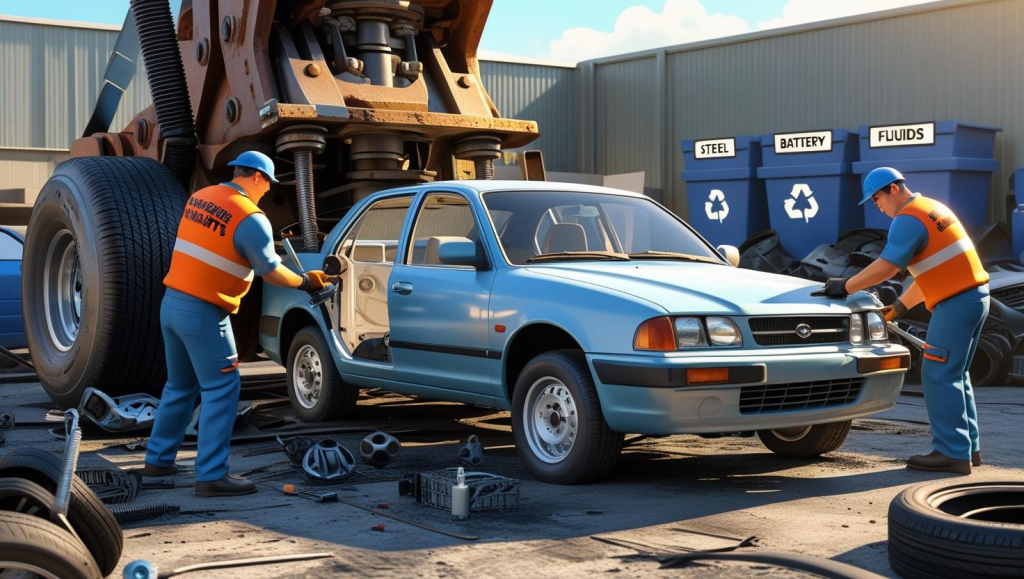
- Sustainable Manufacturing & Materials: Automakers are adopting eco-friendly practices, such as using recycled materials, reducing waste, and implementing energy-efficient production methods. This shift not only benefits the environment but also appeals to environmentally conscious consumers.
- Hydrogen Fuel Cell Vehicles: While still in early stages, hydrogen-powered vehicles offer a promising alternative to battery-electric cars, especially for long-haul transportation. They provide rapid refueling times and zero emissions, with water vapor as the only byproduct.
Frequently Asked Questions / Pros & Cons
What are the main benefits of electric vehicles over traditional cars?
Electric vehicles offer several advantages, including lower fuel costs, reduced greenhouse gas emissions, and fewer moving parts, which translates to lower maintenance requirements. They also provide a quieter and smoother driving experience, with instant torque delivery for responsive acceleration.
How safe are autonomous vehicles compared to human-driven cars?
Autonomous vehicles are designed to reduce human error, which is responsible for the majority of road accidents. Studies and real-world tests suggest that self-driving cars can be safer due to their ability to process vast amounts of data quickly and react without fatigue or distraction. However, challenges remain in handling unpredictable scenarios and ensuring cybersecurity.
What are the challenges associated with widespread adoption of hydrogen fuel cell vehicles?
The primary challenges include the lack of hydrogen refueling infrastructure, high production costs of fuel cells, and the energy-intensive process of producing green hydrogen. Additionally, there are concerns about the safety of storing and transporting hydrogen, which requires specialized technology.
How is connectivity changing the way we interact with our vehicles?
Connectivity enables vehicles to receive over-the-air software updates, access real-time traffic data, and integrate with smart home systems. Drivers can use mobile apps to monitor vehicle health, locate charging stations, or even pre-condition the car’s interior temperature before getting in. This level of integration enhances convenience, efficiency, and personalization.
What role does artificial intelligence play in modern automotive technology?
Artificial intelligence is the backbone of autonomous driving systems, enabling vehicles to interpret sensor data, make decisions, and learn from driving patterns. AI also powers voice recognition systems, predictive maintenance algorithms, and personalized infotainment features, making vehicles smarter and more adaptive to user needs.
Practical Guidance & Solutions
For consumers looking to embrace the future of automotive technology, there are several actionable steps to consider. First, evaluate your driving needs and lifestyle to determine whether an electric vehicle or hydrogen-powered car aligns with your requirements. Research different models, focusing on battery range, charging infrastructure, and available incentives such as tax credits or rebates. If you are interested in autonomous features, look for vehicles equipped with advanced driver assistance systems (ADAS) and check for regular software updates from the manufacturer.
For businesses in the automotive sector, investing in research and development of sustainable technologies is key to staying competitive. Collaborate with tech companies to integrate AI and connectivity solutions into your vehicles. Additionally, focus on building a robust charging or refueling network to support the growing demand for alternative fuel vehicles.
Governments and policymakers can play a crucial role by implementing supportive regulations, such as emissions standards and infrastructure funding. Encouraging public-private partnerships will accelerate innovation and ensure that technological advancements benefit society as a whole.
Conclusion
The future of automotive technology is not a distant dream but a rapidly unfolding reality. With each passing year, vehicles become smarter, cleaner, and more connected, promising a world where transportation is safer, more efficient, and environmentally responsible. The journey toward this future is fueled by innovation, collaboration, and a shared commitment to progress. As consumers, businesses, and policymakers come together, the automotive industry will continue to rev up innovation, steering us toward a horizon where mobility is reimagined for the betterment of all. The road ahead is exciting, and the destination is a testament to human ingenuity and the relentless pursuit of a better way to move.