Introduction & Background
The automotive industry stands at the brink of a revolution, one that promises to transform not just how we drive, but the very fabric of mobility itself. As climate concerns grow and technology advances at an unprecedented pace, the future of driving is being redefined by innovation, sustainability, and connectivity. From electric vehicles (EVs) to autonomous systems, the changes reshaping the road ahead are both exciting and transformative. This shift is not merely about engineering marvels; it reflects a deeper societal move toward efficiency, safety, and environmental responsibility. Understanding these trends is essential for consumers, policymakers, and industry leaders alike, as they will dictate the direction of transportation for decades to come.
Concept & Overview
The future of driving is being shaped by a convergence of technological breakthroughs and evolving consumer expectations. At its core, this transformation is driven by the need to reduce emissions, enhance safety, and improve the overall driving experience. Advances in artificial intelligence, battery technology, and connectivity are enabling vehicles to become smarter, cleaner, and more autonomous. This evolution is not limited to passenger cars; it extends to commercial fleets, public transport, and even micromobility solutions. The result is a holistic reimagining of mobility, where vehicles are no longer just modes of transport but integral parts of a connected, intelligent ecosystem.
Key Features & Highlights
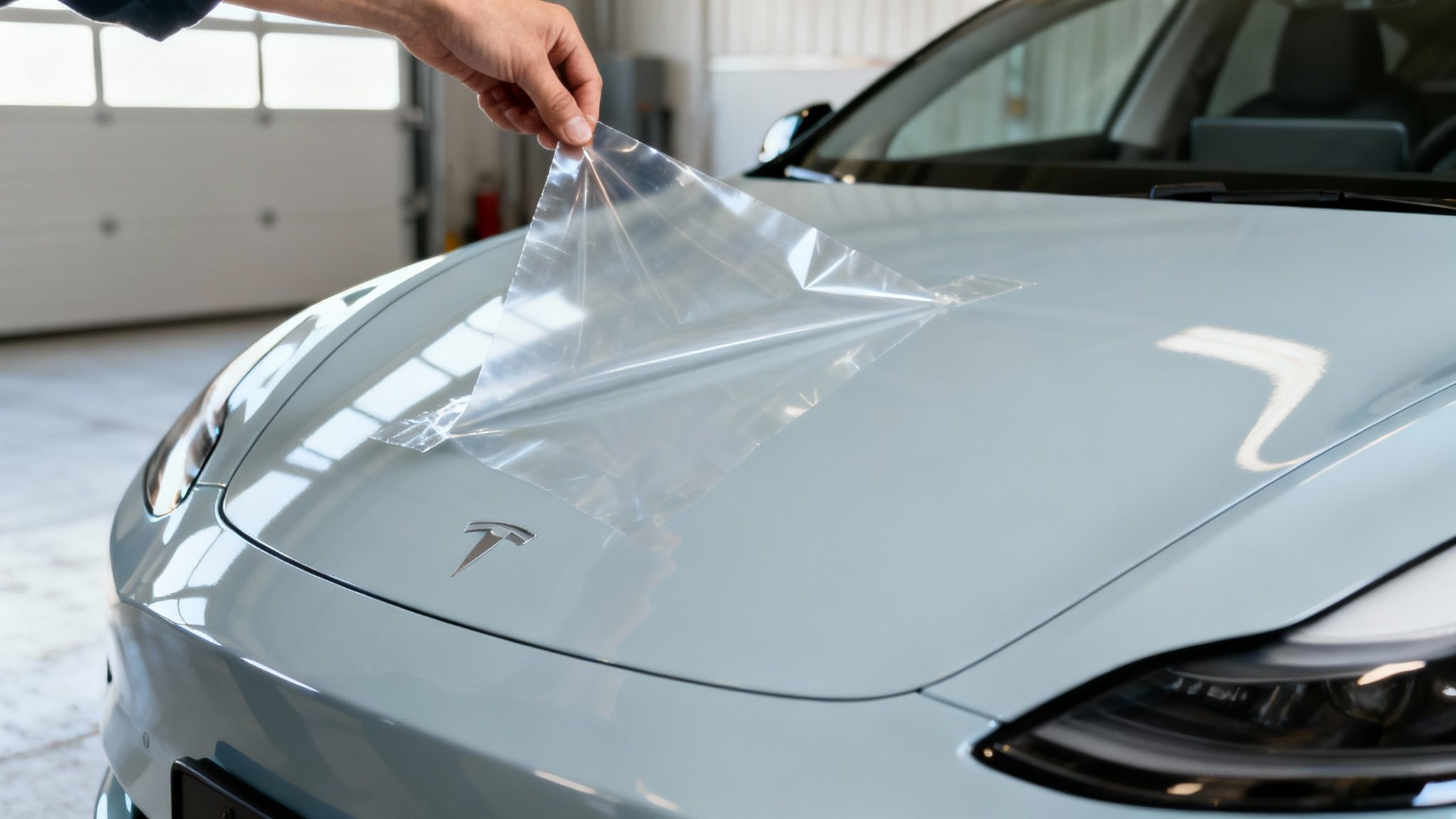
- Electric Vehicles (EVs): The rise of electric vehicles is perhaps the most visible trend in the automotive sector. With zero tailpipe emissions and improving battery ranges, EVs are rapidly becoming the preferred choice for environmentally conscious drivers. Governments worldwide are incentivizing EV adoption through subsidies and infrastructure investments, making them more accessible than ever.
- Autonomous Driving: Self-driving technology is transitioning from experimental projects to real-world applications. Companies are developing advanced driver-assistance systems (ADAS) that promise to reduce human error, a leading cause of accidents. While fully autonomous vehicles are still in development, semi-autonomous features like adaptive cruise control and lane-keeping assist are already common in modern cars.
- Vehicle Connectivity: The integration of 5G technology and the Internet of Things (IoT) is enabling vehicles to communicate with each other and with smart infrastructure. This connectivity enhances navigation, traffic management, and even vehicle maintenance through real-time data sharing. Features like over-the-air (OTA) updates are also becoming standard, allowing cars to evolve with software improvements.
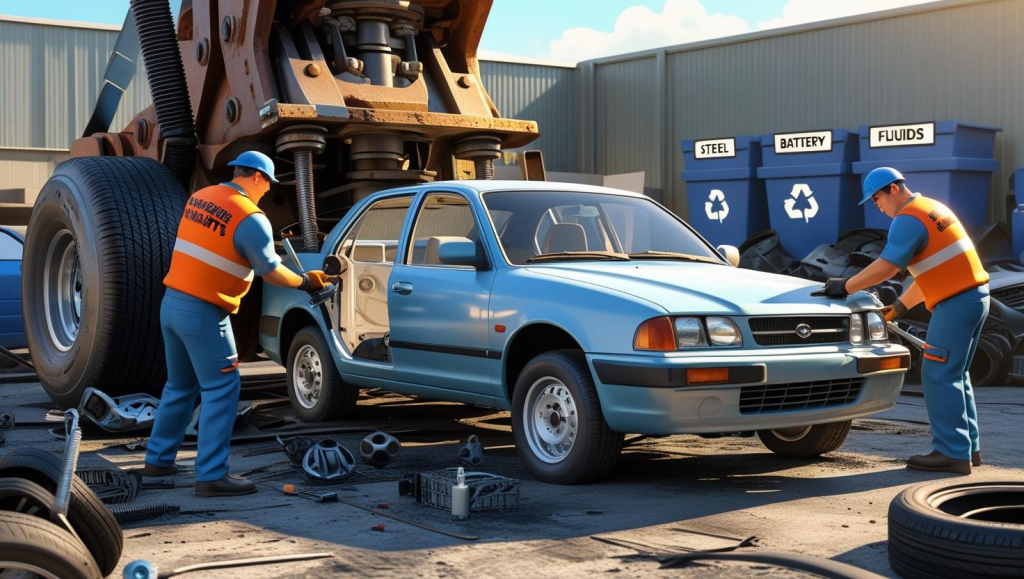
- Sustainable Materials: Automakers are increasingly turning to eco-friendly materials such as recycled plastics, bio-based fabrics, and lightweight composites to reduce the environmental footprint of vehicle production. These materials not only lower emissions but also improve fuel efficiency in traditional and electric vehicles alike.
- Shared Mobility Services: The shift toward shared mobility is challenging the traditional car ownership model. Ride-hailing platforms, car-sharing programs, and subscription services are gaining popularity, particularly among urban dwellers. This trend is reducing the number of vehicles on the road and promoting more efficient use of resources.
Frequently Asked Questions / Pros & Cons
What are the main benefits of electric vehicles compared to traditional gasoline cars?
Electric vehicles offer several advantages over their gasoline counterparts. They produce zero tailpipe emissions, significantly reducing air pollution and greenhouse gas emissions. Additionally, EVs have lower operating costs due to cheaper electricity prices and fewer moving parts, which translates to reduced maintenance needs. They also provide a quieter and smoother driving experience, enhancing overall comfort.
How safe are autonomous vehicles, and what are the biggest challenges they face?
Autonomous vehicles are designed with multiple layers of safety features, including sensors, cameras, and AI-driven decision-making systems. However, challenges remain, particularly in unpredictable scenarios such as adverse weather conditions or complex urban environments. Public trust and regulatory frameworks are also critical hurdles that need to be addressed before widespread adoption can occur.
What role does 5G technology play in the future of driving?
5G technology is a game-changer for connected vehicles, enabling faster and more reliable communication between vehicles, infrastructure, and cloud services. This low-latency connectivity is essential for real-time data exchange, which supports features like collision avoidance, traffic optimization, and even remote diagnostics. As 5G networks expand, their impact on driving safety and efficiency will only grow.
Are shared mobility services really more sustainable than owning a car?
Shared mobility services can reduce the total number of vehicles on the road, which helps lower emissions and traffic congestion. However, their sustainability depends on factors like usage patterns, fleet management, and energy sources. In densely populated areas, these services are often more efficient, while in rural or less populated regions, the benefits may be less pronounced.
What are the potential drawbacks of using sustainable materials in car manufacturing?
While sustainable materials offer environmental benefits, they can sometimes pose challenges in terms of durability, cost, and performance. For example, recycled plastics may not always match the strength of traditional materials, and bio-based fabrics can be more expensive to produce. Automakers must balance these trade-offs to ensure that sustainability does not compromise vehicle safety or affordability.
Practical Guidance & Solutions
For consumers looking to embrace the future of driving, the first step is to assess individual mobility needs and preferences. Those interested in electric vehicles should research models that fit their budget and driving range requirements, while also exploring available incentives and charging infrastructure. Investing in a home charging station can further enhance convenience and cost savings.
For individuals curious about autonomous features, starting with vehicles equipped with advanced driver-assistance systems is a practical approach. These systems provide a taste of what future fully autonomous driving might offer while maintaining driver control. It’s also important to stay informed about regulatory updates and safety ratings to make well-informed decisions.
In the realm of connectivity, ensuring that a vehicle’s infotainment and navigation systems are up-to-date is crucial. Regular software updates can unlock new features and improve performance, so checking for OTA updates should be part of routine maintenance. Additionally, exploring car-sharing or subscription services can offer flexibility without the long-term commitment of ownership, particularly for those living in urban areas.
For businesses, integrating sustainable materials into fleet management policies can align with corporate sustainability goals while appealing to environmentally conscious customers. Exploring partnerships with charging infrastructure providers or mobility service platforms can also position companies at the forefront of industry trends.
Conclusion
The road ahead is paved with innovation, sustainability, and connectivity, offering a glimpse into a future where driving is not just a necessity but an experience redefined by technology and responsibility. From electric vehicles to autonomous systems, the automotive trends shaping tomorrow are already here, and their impact will only grow stronger with time. For consumers, businesses, and policymakers, the key lies in staying informed, adaptable, and proactive. By embracing these changes, we can drive toward a cleaner, safer, and more connected world, where mobility is not just about getting from point A to point B, but about doing so in a way that benefits both people and the planet. The journey has just begun, and the destination promises to be nothing short of revolutionary.