Introduction & Background
The automotive industry stands on the brink of a transformative decade as we move into 2025. With rapid advancements in technology, shifting consumer preferences, and pressing environmental concerns, the road ahead promises to redefine how we drive and interact with vehicles. Electric vehicles (EVs) are no longer a niche but a mainstream expectation, while autonomous driving inches closer to reality. Regulatory pressures, sustainability goals, and digital innovation are collectively steering the sector toward a smarter, safer, and more efficient future. Understanding these trends is not just beneficial for industry professionals but essential for every driver navigating the ever-evolving landscape of mobility.
Concept & Overview
The automotive trends of 2025 reflect a convergence of electrification, connectivity, and intelligence. At its core, the future of driving is defined by three pillars: sustainability, automation, and digital integration. Sustainability focuses on reducing carbon footprints through cleaner energy sources and efficient vehicle designs. Automation refers to the increasing role of artificial intelligence and sensors in driving, aiming to enhance safety and convenience. Digital integration involves the seamless merging of vehicles with smart ecosystems, enabling real-time data exchange and personalized experiences. Together, these principles are reshaping the automotive world, pushing boundaries beyond traditional car manufacturing into holistic mobility solutions.
Key Features & Highlights
- Rise of Electric Vehicles (EVs): By 2025, EVs are projected to dominate global sales, driven by falling battery costs, improved range, and stricter emissions regulations. Governments worldwide are incentivizing EV adoption through tax breaks, charging infrastructure development, and urban access benefits.
- Autonomous Driving Evolution: Level 3 and Level 4 autonomous vehicles are becoming more common on public roads. Advanced driver-assistance systems (ADAS) now include features like predictive maintenance alerts, traffic-aware cruise control, and hands-free highway driving, marking a significant leap toward fully self-driving cars.
- Vehicle-to-Everything (V2X) Communication: Cars are increasingly connected to their surroundings through V2X technology, allowing them to communicate with traffic lights, other vehicles, and even pedestrians’ devices. This real-time data exchange enhances road safety and traffic flow efficiency.
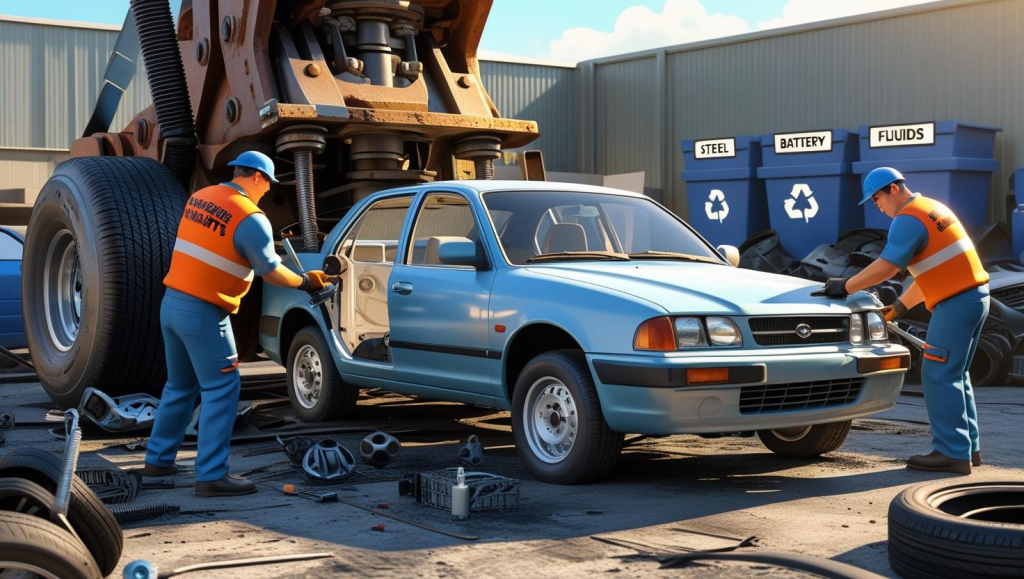
- Sustainable Materials & Circular Economy: Automakers are prioritizing eco-friendly materials such as recycled plastics, bio-based fabrics, and lightweight composites. The shift toward a circular economy includes vehicle recycling programs and modular designs that simplify repairability and reuse of components.
- Subscription-Based Mobility Models: Traditional ownership is giving way to flexible mobility services. Car subscription services, ride-sharing platforms, and mobility-as-a-service (MaaS) offerings provide consumers with on-demand access to vehicles without long-term commitments or depreciation concerns.
Frequently Asked Questions / Pros & Cons
What are the main benefits of electric vehicles?
Electric vehicles offer several advantages, including lower operating costs due to cheaper electricity compared to gasoline, zero tailpipe emissions which improve urban air quality, and reduced maintenance needs stemming from fewer moving parts. Additionally, EVs provide a smoother and quieter driving experience and are eligible for various government incentives.
Are autonomous cars safe enough for public roads by 2025?
Autonomous vehicles have made significant safety improvements, but challenges remain. While Level 3 and Level 4 systems are designed to handle most driving scenarios, they still face limitations in extreme weather or complex urban environments. Safety depends on robust AI training, rigorous testing, and continuous software updates. Regulatory frameworks are evolving to ensure comprehensive safety standards before widespread deployment.
Pros and Cons of Subscription-Based Car Models
- Pros:
- Lower upfront costs and no long-term commitment.
- Access to the latest models and technology without ownership hassles.
- Included maintenance, insurance, and roadside assistance in many plans.
- Flexibility to change vehicles based on needs or preferences.
- Cons:
- Potential for higher long-term costs if used extensively.
- Limited customization options compared to owning a vehicle.
- Dependency on service availability and vehicle availability in the fleet.
- Early termination fees may apply if the subscription is canceled prematurely.
Practical Guidance & Solutions
As the automotive landscape transforms, consumers and businesses can adopt strategies to stay ahead. For first-time EV buyers, research local incentives, compare charging infrastructure availability, and consider battery warranty terms. Those exploring autonomous features should familiarize themselves with advanced driver-assistance systems (ADAS) in current models to understand the technology’s capabilities. For urban drivers, integrating mobility services into daily routines can reduce costs and environmental impact. Businesses should invest in employee training for new vehicle technologies and explore partnerships with tech providers to integrate V2X or fleet management systems.
Regardless of the path chosen, staying informed about regulatory updates and technological advancements is crucial. Attending industry webinars, consulting automotive experts, and reading trusted publications can provide valuable insights. Additionally, test-driving new models and experiencing features firsthand can aid in making confident purchasing decisions.
Conclusion
The year 2025 marks a pivotal moment in automotive history, where innovation meets necessity. From electric powertrains to autonomous capabilities, the future of driving is being written today. While challenges such as infrastructure gaps and technological limitations persist, the momentum is undeniable. Embracing these trends not only enhances individual mobility but also contributes to a sustainable and connected world. As consumers, businesses, and policymakers navigate this evolving road, collaboration and adaptability will be key to unlocking the full potential of the automotive innovations shaping our journey forward.