Introduction & Background
The automotive industry stands at the crossroads of a technological revolution, one that promises to redefine how we move, interact, and live. From the first horseless carriages to the rise of electric and autonomous vehicles, innovation has been the driving force behind progress. Today, the road ahead is being reshaped by groundbreaking advancements in connectivity, sustainability, and artificial intelligence. These changes are not just transforming cars into smarter machines but are also altering the very concept of mobility itself.
As global challenges like climate change and urban congestion intensify, the need for innovative solutions has never been more critical. Governments, manufacturers, and consumers alike are embracing a future where vehicles are safer, cleaner, and more efficient. This shift is not merely about improving technology for its own sake but about creating a sustainable ecosystem that benefits society as a whole. The journey toward tomorrow’s automotive landscape is already underway, and the innovations emerging today will shape the way we travel for generations to come.
Concept & Overview
The transformation of the automotive sector is rooted in a fundamental rethinking of what a vehicle represents. Gone are the days when cars were seen merely as modes of transport. Today, they are evolving into intelligent, connected platforms that integrate seamlessly with our digital lives. At the heart of this evolution is the concept of smart mobility, which encompasses a range of technologies designed to enhance efficiency, safety, and user experience.
Key to this transition is the convergence of several technological trends. Electrification is reducing reliance on fossil fuels while improving energy efficiency. Artificial intelligence is enabling vehicles to make real-time decisions, from optimizing routes to avoiding accidents. Connectivity is turning cars into nodes in a vast network, allowing them to communicate with each other and with infrastructure. Together, these innovations are not only changing how we drive but also how we perceive the role of automobiles in our daily lives.
Sustainability is another pillar of this new era. With stricter emissions regulations and growing consumer demand for eco-friendly options, manufacturers are prioritizing green technologies. This includes not just electric powertrains but also advances in lightweight materials, renewable energy integration, and circular economy practices. The result is a more responsible approach to mobility, one that aligns with broader environmental goals.
Key Features & Highlights
- Electric Vehicle Revolution: The shift from internal combustion engines to electric powertrains is accelerating rapidly. Modern EVs offer impressive ranges, faster charging times, and lower operating costs, making them a viable alternative to traditional vehicles. Innovations in battery technology, such as solid-state batteries, promise even greater performance and safety in the near future.
- Autonomous Driving: Self-driving cars are no longer the stuff of science fiction. Advanced driver-assistance systems (ADAS) and fully autonomous vehicles use sensors, cameras, and AI to navigate roads with minimal human intervention. Companies are testing these technologies in real-world conditions, bringing us closer to a future where human error is significantly reduced.
- Vehicle Connectivity: The Internet of Things (IoT) is making cars smarter and more connected. Features like over-the-air updates, remote diagnostics, and vehicle-to-everything (V2X) communication enhance convenience and safety. Drivers can now monitor their vehicle’s health, receive traffic alerts, and even control functions via smartphone apps.
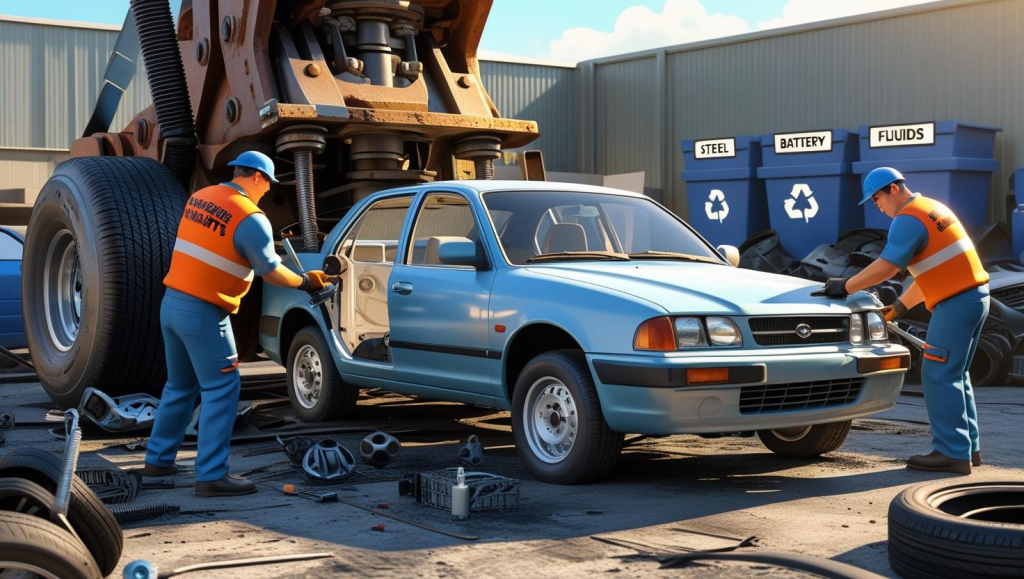
- Sustainable Materials: Automakers are increasingly using recycled and bio-based materials to reduce environmental impact. From seats made of vegan leather to dashboards crafted from ocean plastics, these innovations are helping to minimize waste and promote a circular economy.
- Shared Mobility Solutions: The rise of ride-sharing, car subscriptions, and mobility-as-a-service (MaaS) platforms is changing how people access transportation. These models reduce the need for private car ownership, lowering emissions and easing traffic congestion in urban areas.
- Enhanced Safety Systems: Modern vehicles are equipped with advanced safety features such as automatic emergency braking, blind-spot monitoring, and adaptive cruise control. These systems use AI and real-time data to prevent accidents and protect passengers.
Frequently Asked Questions / Pros & Cons
What are the main benefits of electric vehicles?
Electric vehicles offer several advantages over traditional gasoline-powered cars. They produce zero tailpipe emissions, reducing air pollution and greenhouse gases. EVs are also more energy-efficient, converting over 77% of the electrical energy from the grid to power at the wheels, compared to about 12% to 30% for internal combustion engines. Additionally, electric vehicles have lower operating costs due to fewer moving parts and reduced maintenance needs. The quiet and smooth driving experience is another appealing factor for many drivers.
How safe are autonomous vehicles?
Autonomous vehicles are designed with safety as a top priority. They use a combination of sensors, cameras, and AI algorithms to detect and respond to their surroundings in real time. Studies suggest that self-driving cars have the potential to reduce accidents caused by human error, which accounts for the majority of traffic incidents. However, challenges remain, such as ensuring reliability in unpredictable conditions and addressing ethical dilemmas in decision-making scenarios. Regulatory frameworks and extensive testing are crucial to building public trust in this technology.
What are the challenges of adopting electric vehicles?
While electric vehicles present a promising future, their widespread adoption faces several challenges. One of the primary concerns is the availability and accessibility of charging infrastructure. Although the number of charging stations is growing, rural and underserved areas may still lack sufficient options. Battery range anxiety is another issue, though advancements in battery technology are steadily addressing this concern. The upfront cost of EVs remains higher than that of conventional cars, although incentives and decreasing battery prices are making them more affordable. Additionally, the environmental impact of battery production and disposal must be managed responsibly to ensure true sustainability.
How does vehicle connectivity improve the driving experience?
Vehicle connectivity enhances the driving experience by integrating cars into a broader digital ecosystem. Drivers benefit from real-time traffic updates, which help avoid congestion and reduce travel time. Remote diagnostics allow for proactive maintenance, preventing breakdowns before they occur. Infotainment systems provide seamless access to music, navigation, and communication tools, keeping passengers connected and entertained. Additionally, vehicle-to-everything (V2X) communication enables cars to interact with traffic lights, road signs, and other vehicles, improving overall traffic flow and safety. These features not only make driving more convenient but also contribute to a more efficient and sustainable transportation network.
What role does sustainability play in modern automotive innovation?
Sustainability is a driving force behind many of the innovations reshaping the automotive industry. Automakers are increasingly focusing on reducing the carbon footprint of vehicles through electrification and the use of eco-friendly materials. Lightweight design techniques, such as incorporating aluminum and carbon fiber, improve energy efficiency without compromising safety. Recycling programs for batteries and vehicle components are being implemented to minimize waste and promote a circular economy. Moreover, companies are exploring alternative energy sources, such as hydrogen fuel cells, to diversify their sustainable mobility solutions. These efforts reflect a commitment to environmental stewardship while meeting the evolving demands of consumers and regulators.
Practical Guidance & Solutions
For consumers looking to embrace the future of automotive innovation, several practical steps can help navigate this evolving landscape. First, consider your driving needs and lifestyle when choosing between an electric, hybrid, or traditional vehicle. If you frequently drive long distances, an EV with a longer range or a plug-in hybrid may be the best option. Evaluate the charging infrastructure in your area to ensure convenience and accessibility.
When exploring autonomous driving features, start with advanced driver-assistance systems (ADAS) like adaptive cruise control and lane-keeping assist. These technologies provide a glimpse into the capabilities of self-driving cars while enhancing safety on the road. Stay informed about software updates and new features offered by your vehicle’s manufacturer to take full advantage of connectivity benefits.
To support sustainability, prioritize vehicles made from recycled or bio-based materials and those with high safety ratings. Consider participating in ride-sharing or car-sharing programs to reduce your carbon footprint and contribute to a more efficient transportation system. Regular maintenance and responsible disposal of vehicle components, especially batteries, are essential to ensuring long-term environmental benefits.
For businesses and fleet operators, investing in electric or hybrid vehicles can lead to cost savings and improved public perception. Explore incentives and grants offered by governments to offset the initial investment in sustainable mobility solutions. Collaborate with technology providers to integrate advanced connectivity and safety features into your fleet, enhancing both efficiency and driver satisfaction.
Conclusion
The road to tomorrow is paved with innovation, and the automotive industry is leading the charge toward a smarter, safer, and more sustainable future. From electric powertrains to autonomous driving, the technologies emerging today are not just changing how we travel but redefining our relationship with mobility. As these advancements become more accessible and integrated into our daily lives, they hold the promise of reducing environmental impact, easing traffic congestion, and enhancing overall quality of life.
Yet, the journey is far from over. Challenges such as infrastructure development, regulatory hurdles, and public acceptance must be addressed to fully realize the potential of these innovations. By staying informed, making conscious choices, and embracing new technologies responsibly, we can all play a part in shaping a future where every journey is smarter, greener, and more connected. The road ahead is exciting, and the destination is well worth the drive.