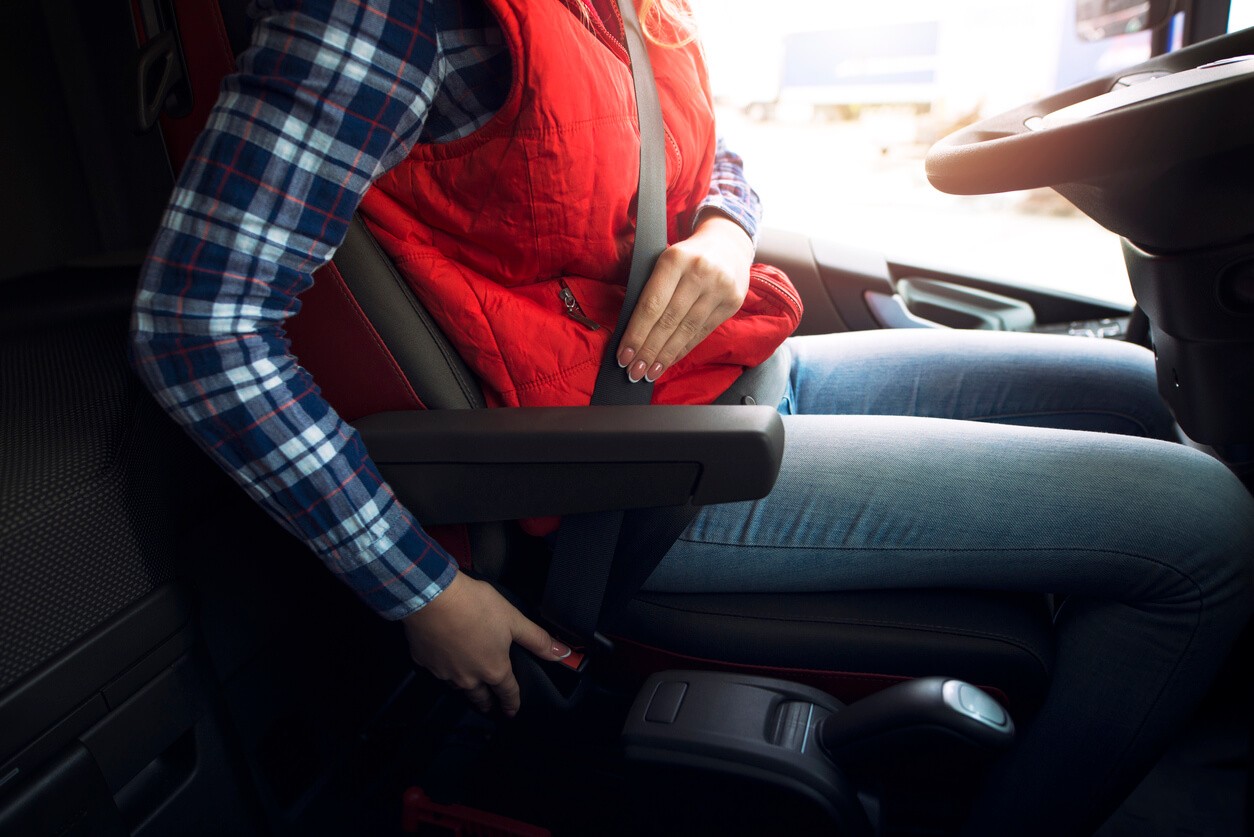
Investing in ergonomic semi truck seats directly eliminates the physical toll of long-distance driving by stabilizing the spine and isolating the body from road vibrations. Spending ten to eleven hours a day behind the wheel subjects the human body to constant structural stress. Standard factory seats often lack the targeted support necessary to prevent chronic fatigue and musculoskeletal issues. Upgrading to a scientifically designed seating system shifts the driving experience from an endurance test to a controlled, comfortable workday.
Active Vibration Isolation and Shock Absorption
The primary culprit behind truck driver fatigue is whole-body vibration, which travels from the tires through the chassis and straight into the driver’s skeletal system. Over hundreds of miles, these constant micro-shaking forces muscles to contract continuously just to keep the body stable. This process drains driver energy and accelerates physical exhaustion before the shift ends.
Ergonomic seating solutions counteract this issue by utilizing advanced air suspension mechanisms that dynamically adjust to road conditions. These systems isolate the occupant from harsh bumps, potholes, and engine harmonics by absorbing the impact before it reaches the lower back. Minimizing this physical oscillation reduces muscle strain and protects sensitive spinal discs from repetitive compression.
Advanced Lumbar Support and Proper Spinal Alignment
Standard seating often forces the lower spine into an unnatural, rounded shape that puts immense pressure on the lumbar region. This poor posture restricts blood flow, pinches nerves, and creates localized pain that persists long after the ignition is turned off. An ergonomic semi truck seat solves this problem by mirroring the natural S-curve of a healthy human spine.
Equipped with dual or triple pneumatic lumbar chambers, these premium seats allow operators to customize the depth and height of the backrest support. Providing firm resistance against the lower and mid-back prevents slouched driving habits and promotes a neutral posture. Keeping the vertebrae aligned evenly distributes body weight across the seat cushion and eliminates localized pressure points.
Customizable Adjustability for Personalized Fit
No two drivers share the exact same body proportions, meaning a static or minimally adjustable seat will inevitably cause discomfort for a large percentage of fleet operators. Prolonged discomfort leads to frequent stops, reduced focus, and a higher risk of on-the-road incidents. Ergonomic designs prioritize total adjustability to accommodate varying heights, weights, and arm lengths.
Operators can modify the seat cushion length, tilt angle, and armrest height to create a tailored command center. Cushion extensions provide critical hamstring support, preventing the front edge of the seat from cutting off blood circulation to the lower legs. Correct leg positioning also improves pedal control and reduces ankle stiffness during extended operations in heavy traffic.
Temperature Regulation and Advanced Material Engineering
Sitting in one position for hours generates significant body heat and moisture buildup, creating an uncomfortable driving environment. Traditional vinyl or low-grade cloth materials trap this thermal energy, leading to sweating, skin irritation, and increased restlessness. Premium ergonomic seats solve this by incorporating sophisticated climate control systems directly into the fabric matrix.
Utilizing breathable, engineered mesh fabrics alongside specialized foam layers allows air to circulate freely beneath the occupant. Many high-end models feature built-in heating and cooling elements that keep the skin dry and comfortable regardless of external weather conditions. Regulating the immediate microclimate keeps the driver relaxed, alert, and focused entirely on navigating the roadway safely.
Conclusion
Upgrading a semi truck cab with an ergonomic seating system is a practical investment in health, safety, and productivity. By addressing the root causes of over-the-road fatigue, these specialized systems protect the driver from the harsh realities of highway travel. Prioritizing physical well-being through advanced engineering keeps the wheels turning smoothly and ensures every destination is reached safely.